Black Bodies and the Justice of God

To all Christians invested in the struggle for racial justice, I recommend Kelly Brown Douglas’s Stand Your Ground: Black Bodies and the Justice of God (Orbis, 2015). Written after the murder of Trayvon Martin, Douglas’s book puts white supremacy in historical perspective, arguing that Christians should acknowledge the complicity of their faith in America’s original sin. At the same time, she offers a compelling theology of witness with this clear theme: the crucified Christ stands in solidarity with black lives still being crucified today.


From the book:


“It matters that Jesus died on the cross, just as it matters that God freed the Israelites from bondage. For it is only when the least of these are free to achieve the fullness of life that God’s justice will be realized. The profound meaning of God’s preferential option for freedom is seen in God’s solidarity with the crucified class. Their freedom will mark an eradication of all that separates people one from another and thus disengages all people from the goodness of their humanity. Thus, the justice of God also begins from the bottom up. Put simply, it is in the freedom of those who are crucified that one can see the justice of God working in the world” (197).
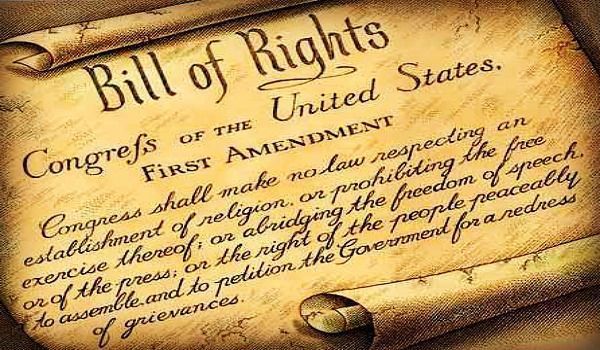
Closing Our Sanctuaries Is Not a First Amendment Violation

It is an expression of Christian charity


Lost in the traumatic aftermath of George Floyd’s murder, including President Trump’s assault on the right to free speech and peaceable assembly, the US Supreme Court issued a ruling on another First Amendment issue late last week. The case involved a church suing the State of California for prohibiting large in-person services during the COVID-19 pandemic. The church argued that assembling as church is a fundamental expression of Christian faith, and that the order to limit gatherings is therefore a violation of the First Amendment. A majority on the Supreme Court disagreed, ruling that the prohibitions on mass gatherings did not constitute a violation of religious freedom.


Continue reading

Remembering the words of James Cone this week

“In a revolutionary situation there can never be nonpartisan theology. Theology is always identified with a particular community. It is either identified with those who inflict oppression or with those who are its victims. A theology of the latter is authentic Christian theology, and a theology of the former is a theology of the Antichrist.”

James H. Cone in A Black Theology of Liberation

Motorcycles, tribalism, and America

My friend Steve Martin serves as Director of Communications and Development for the National Council of Churches in DC. He and I share a love of motorcycles and a love for the church. In the following essay, he writes beautifully about what motorcycling might disclose about being American and being Christian, as well as how church might refract our identity with other “tribes.” Even though he rides the wrong kind of bike, I’d like to share what he wrote:

Motorcycles, tribalism and America – What I learned riding in Rolling Thunder